
The course
This course is offered as a series of discussion classes, in small groups plus two individual tutorials. You will focus on one topic of your choice, out of 12 ‘selected topics’ (see the list below).
You will develop your close reading skills with study of ‘gobbets’ (short pieces of text which epitomise an argument or illustrate a technique), and hone your writing skills by producing two essays, after extensive reading, reflection, class debate, and individual discussions with your tutor.
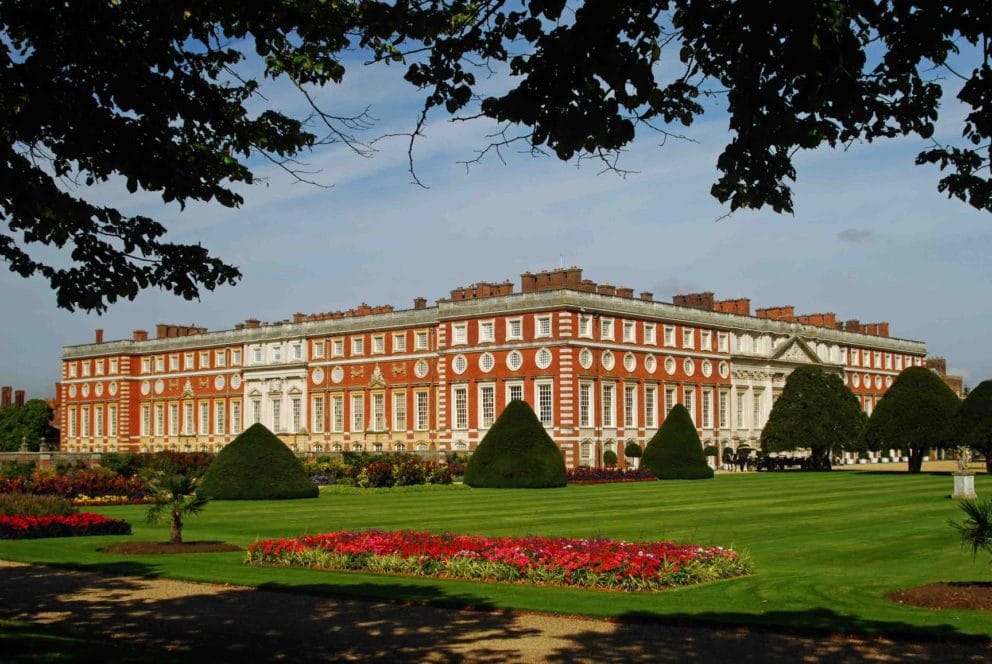
In addition, you will join the whole student group on field trips to memorable sites in Oxford and the south of England. The field trips change from year to year, and in the past have included trips to Stonehenge and Salisbury cathedral, Winchester, Bath, Hampton Court Palace in London, and the historic naval dockyards in Portsmouth.
The course is taught by specialists in each of SCIO’s major academic concentrations. Credit is offered in a number of disciplines, ranging from art and classics to history and philosophy. Each course will help you understand Britain and appreciate the rich past and present of the country where you live while on the programme. The full range of topics that you can choose from, and the disciplines you can get credit for, are listed below.


When C.S. Lewis arrived in Oxford in 1917, he came to study Classics: the literature, history, and thought of ancient Greece and Rome. He was an atheist, and was fascinated by the pagan mythology of the classical world, and this was a fascination that never left him. In fact, it was through this love of mythology that he finally became a Christian, and he drew on this rich classical heritage throughout his career and a teacher and writer.

The Enlightenment saw the rise and triumph of reason as the supreme power in many spheres. One area which – perhaps inevitably – provoked much discussion was religion. For some, this provided an opportunity to attempt to demonstrate a sound rational basis for religious belief; for others, it led to the challenging of old certainties.

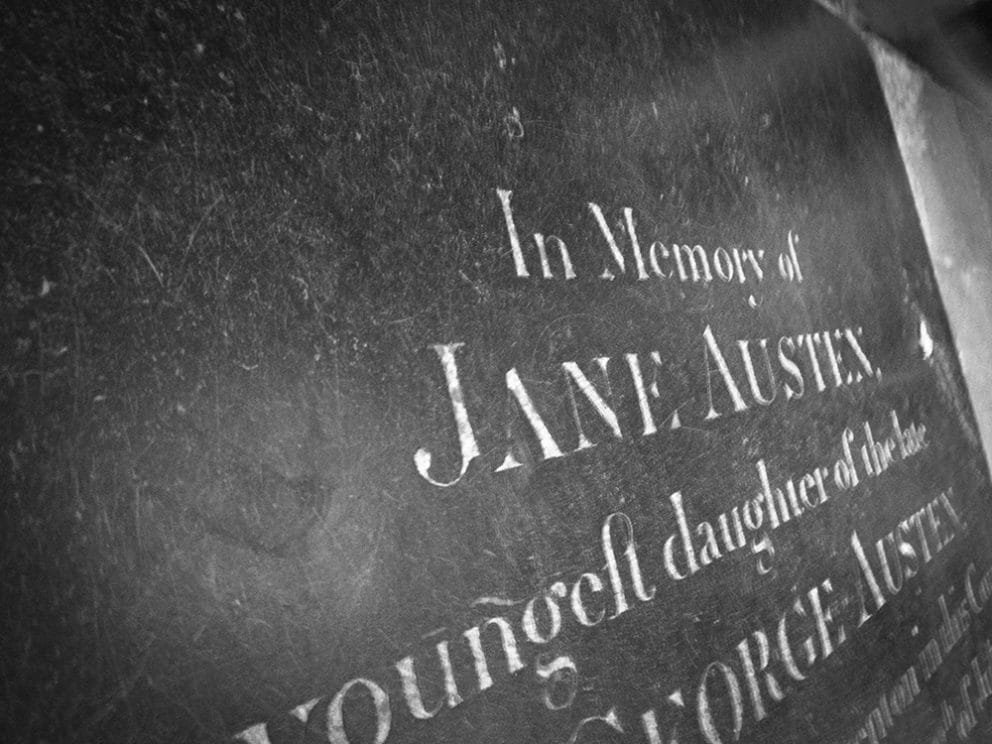
Since the publication in 1811 of a novel called Sense and Sensibility, ‘by a lady’, the works of Jane Austen have enjoyed both popularity and critical acclaim, and scholarly interest shows no sign of waning.
It has often been said that there is a fine line between genius and insanity and the relationship between literature and mental health has been of intense interest to both literary scholars and psychologists.